Both during and after pregnancy, it is recommended that the mother gets enough omega-3 through her diet.
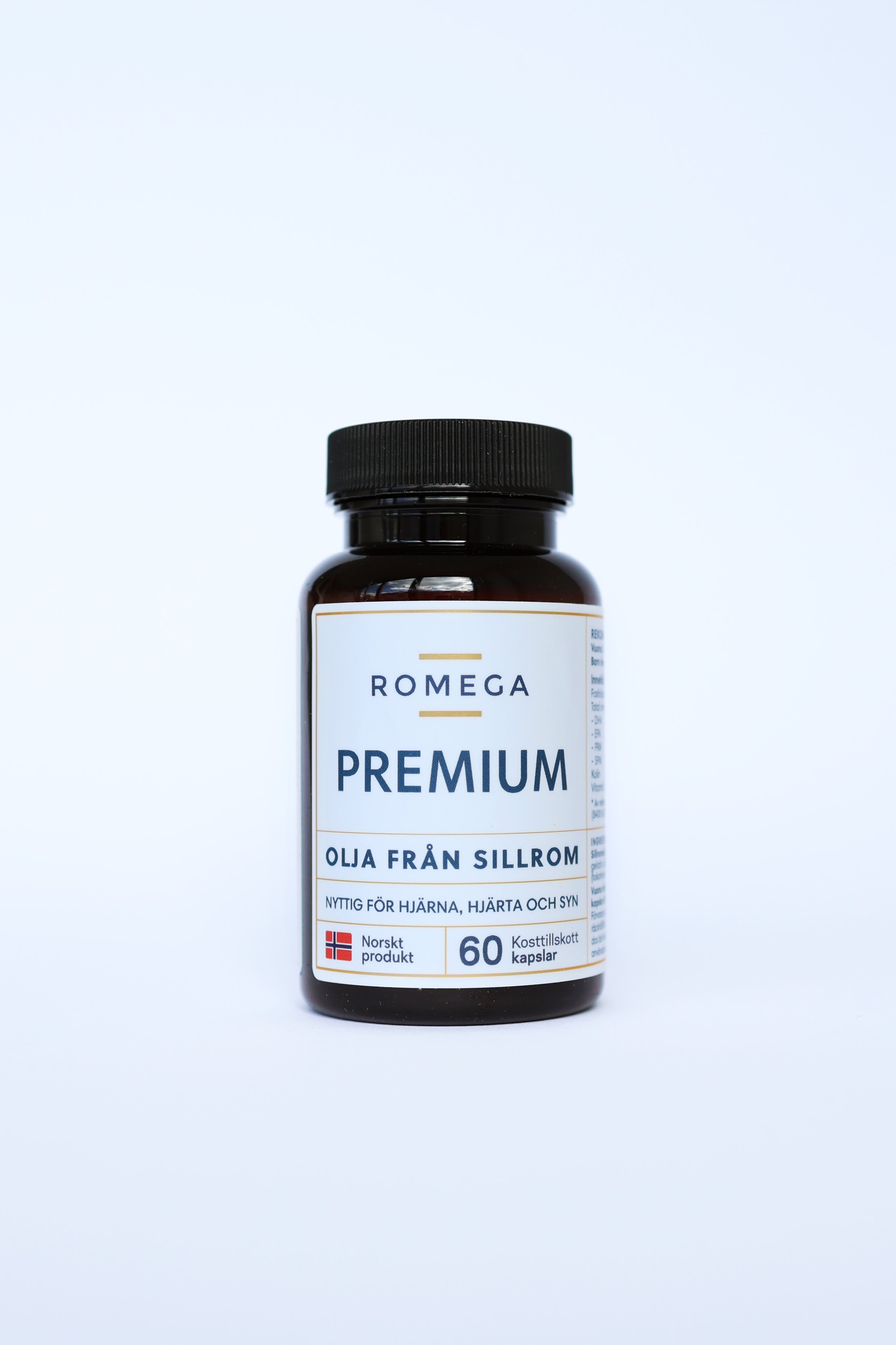
Both during and after pregnancy, it is recommended that the mother gets enough omega-3 through her diet, but if you do not eat enough fatty fish, the Romega dietary supplement can provide you with the omega-3 fatty acids you and your baby need.
– Many pregnant women have periods of nausea throughout their pregnancy, and then you may not always feel like eating fatty fish. Romega is a product with a high DHA content and is therefore a good and safe alternative to cover the recommended daily intake of DHA of 200 mg during pregnancy. Romega also does not cause a fishy taste, says Product Manager at Arctic Bioscience, Dr. Thomas Ringheim-Bakka.
Omega-3 for you and your child
The omega-3 fatty acid DHA is an important building block of the brain and retina of the eye, so a sufficient intake of DHA is beneficial for the fetal development of these organs.
– What sets Romega apart from many other products is its content of omega-3 phospholipids. Phospholipids are a type of fat that is naturally found in all cell membranes in the body and can mix with water. This can contribute to the absorption of omega-3 in the body, says Ringheim-Bakka.
Sustainable source of DHA
Romega is developed by Arctic Nutrition and is a dietary supplement produced from herring roe from Norwegian spring-spawning herring. The product is developed by our chemists in Norway and the company analyzes all production, so customers receive a product of very high quality.
– I am a chemist myself and am proud to be able to offer our customers a unique and safe omega-3 product. The product is based on the roe we collect from herring that swim just off the Møre coast – making Romega one of Norway's most sustainable sources of omega-3 and containing three times more DHA than EPA, says Ringheim-Bakka.
Birgitte swears by Romega during pregnancy and breastfeeding
The dietary supplement is already a favorite among many pregnant women, and Birgitte, a mother of young children, says she has used Romega both during pregnancy and breastfeeding.
– When I was pregnant, I wanted a high-quality omega-3 supplement that was good for both me and the children in the belly, and that was also easy to take, says Birgitte.
She further explains that she discovered Romega and has only had positive experiences with the product.
– I started taking Romega and discovered that it neither gave me a fishy taste nor made me nauseous. It is therefore very easy to make Romega a part of your everyday life when you are pregnant and have difficulty taking supplements due to nausea.
Birgitte is careful about what she consumes through her diet and therefore makes sure that she gets enough omega-3, especially the essential fatty acid DHA.
– I am still breastfeeding both of my twins, which means I am extra careful about what I eat. What I get through my diet also affects them, and I know that DHA contributes to the development of children's brains and eyes. The fact that Romega contains a lot of DHA is very positive.
– I feel safe with Romega as a product and know that it is good for my children.
Birgitte is clear that she will continue taking Romega even after she stops breastfeeding.
– The fact that Romega is good for my own health means that I will continue with it, concludes Birgitte.
-
The Norwegian Public Health Agency recommends that pregnant and breastfeeding women consume at least 200 mg of the omega-3 fatty acid DHA daily.