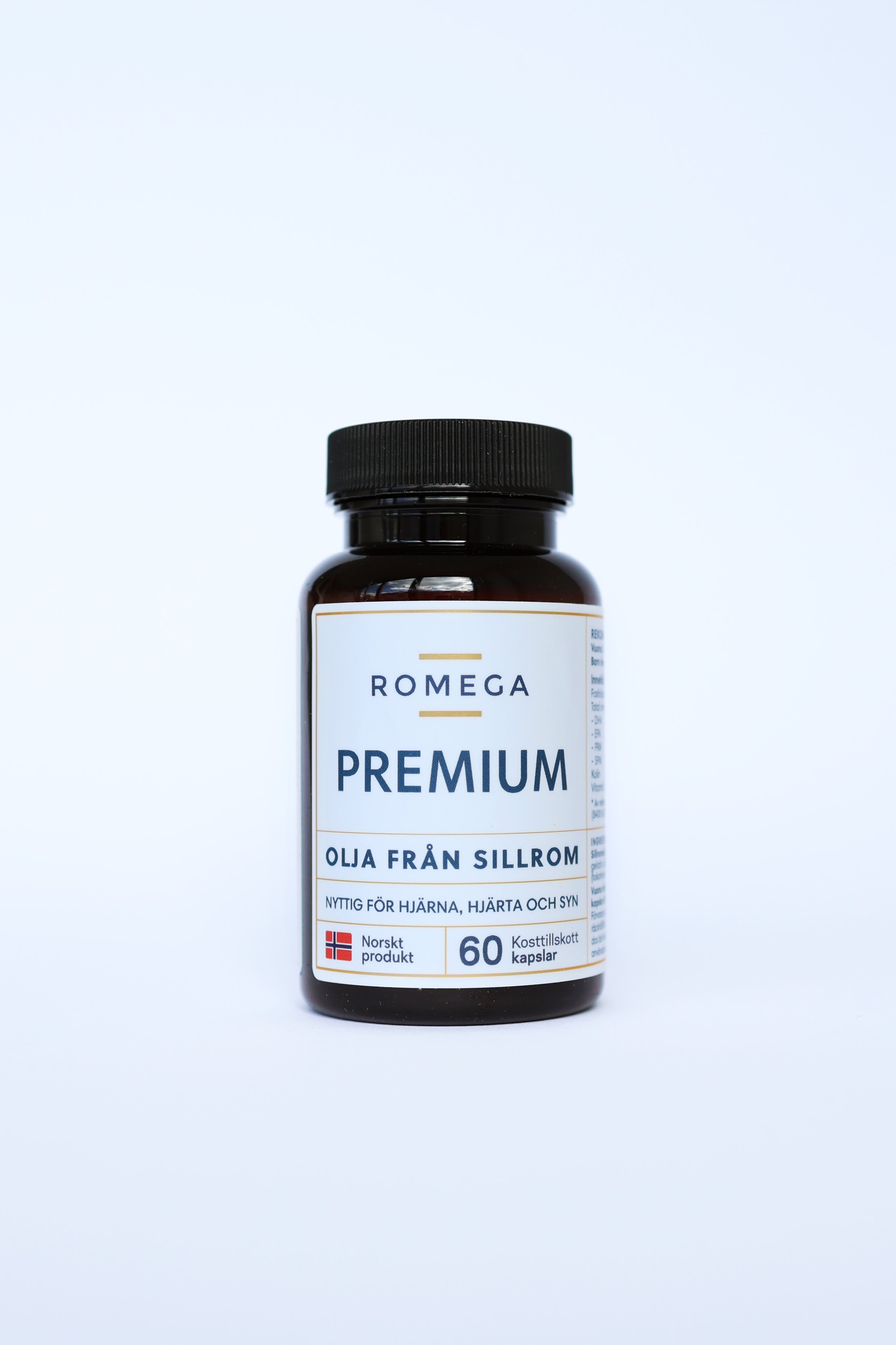
Did you know that your need for omega-3 increases when you're pregnant? This is probably not new information for many of you. But do you know why you need more omega-3 when you're pregnant than otherwise?
The key lies in the fatty acid DHA
Omega-3 is important for your health at all stages of life. However, the Norwegian health authorities recommend that you consume more of the omega-3 fatty acid DHA during pregnancy than you normally do.
The need for omega-3 increases during pregnancy because your fetus needs the omega-3 fatty acid docosahexaenoic acid – often abbreviated DHA.
What is so special about DHA?
DHA fatty acid is long, has a flexible structure and is taken up by the retina and brain. It is important for fetal development, especially for the structure of the brain and nervous system. Both the brain and eyes of the fetus develop rapidly, and with adequate intake, DHA will contribute to the normal development of the eyes and brain of the fetus.*
We humans need the omega-3 fatty acid DHA throughout our lives, but you need more of it when you are pregnant. The Norwegian Public Health Agency recommends a daily intake of 200 mg of DHA for pregnant women. They recommend 2-3 fish meals a week for everyone.
Where do you get DHA from?
You get DHA through the food you eat – mainly from marine sources. It is recommended to eat fish, and it should preferably be oily – such as mackerel, herring or salmon.
All the nutrients the fetus takes in come from the mother. How much DHA the fetus receives through the placenta depends on how much you consume through your diet.
Do you need DHA supplements?
If you have a varied diet with normal eating habits and enough oily fish, you should basically get the nutrients you need during pregnancy. In addition, your midwife and doctor can give you guidance on which foods or supplements you may need more or less of.
What about those who don't eat much fish?
We humans are different, and in the same way, women can experience pregnancy differently. Some feel unwell for large parts of their pregnancy. Nausea, heartburn and irregular eating habits may not seem completely foreign. Maybe fish is not the most appealing thing for dinner.
If you are unsure whether you are getting enough DHA through your diet, it may be a good idea to supplement with an omega-3 supplement that contains sufficient DHA.*
Romega contains 3 times more DHA than EPA
Romega is rich in DHA, containing three times more DHA than EPA. The high DHA content makes Romega a good option for pregnant women who want to ensure they get enough DHA every day.
Just two capsules of Romega cover your and your baby's needs for omega-3 and DHA as recommended by the Norwegian health authorities for pregnant women.

*) The beneficial effect is achieved with a daily intake of 200 mg DHA, in addition to the recommended daily intake of 250 mg DHA and EPA.
Sources:
-
The Norwegian Public Health Agency (2018). Good lifestyle habits before and during pregnancy. The Norwegian Public Health Agency, Oslo.