Choline is an essential nutrient that plays a central role in the body's
many functions and helps build the whole you. In 2023, choline received increased attention when it was included in the new Nordic nutritional recommendations.
Why is choline important?
The body's need for choline is lifelong and particularly high during periods of
rapid change and development – such as in infants, growing children, pregnant and lactating mothers. During the first year of a child's life, when they are completely dependent on breast milk as a source of nutrition, pregnant and lactating mothers should ensure that they get enough nutrients – including choline.
Choline is important for several bodily functions:
Cell membranes : Choline is needed to build cell membranes, which protect
the cells.
Nervous system : It is important for the nervous system, including the formation of
the neurotransmitter acetylcholine, which is crucial for muscle control and
movement.
Fat metabolism : Choline helps transport fat from the liver into
the body, which helps prevent fatty liver.
Metabolism of homocysteine : Together with B vitamins, choline contributes
to normal metabolism of homocysteine. Too much homocysteine in the blood
is linked to poor heart health.
Important sources and recommended amount
Choline is naturally produced in the body in small amounts, but most
need to get it through the diet to cover the daily requirement. According to the new Nordic nutritional recommendations (NNR 2023), you should:
- Adults should consume 400 mg of choline per day.
- Children and adolescents from 120 mg and above
- Pregnant women 480 mg per day
- Breastfeeding 520 mg per day
Choline is found naturally in many foods such as eggs, meat, fish, grains, and vegetables. One large hard-boiled egg contains about 147 mg of choline and is one of the best sources. Roe (fish eggs) is also a good source of choline.
Including choline in the diet supports important bodily functions and contributes to overall health and well-being.
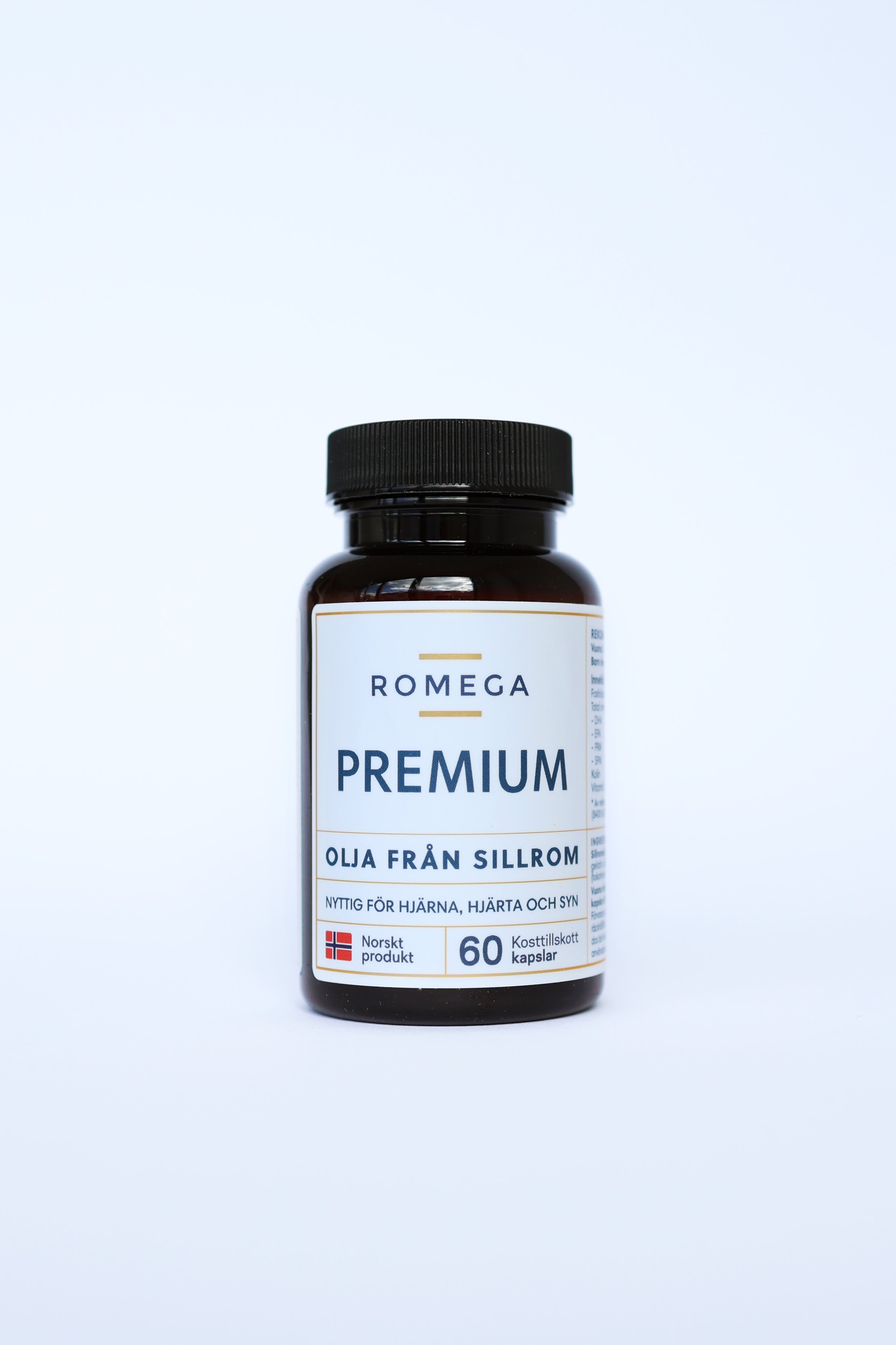
The herring roe oil in Romega® has a natural content of this important nutrient.
*A daily intake of 82.5 mg of choline contributes to normal fat metabolism, liver function and homocysteine metabolism.
Sources: Health Norway, NHI, Nordic Nutrition Recommendations 2023, EFSA 2016
If you are interested, you can read more about choline at the following
websites:
https://nutritionsource.hsph.harvard.edu/choline/
https://www.forskning.no/mat-og-helse/dette-viktige-naeringsstoffet-har-
almost-no-one-heard-about/2142666
New dietary advice: The forgotten nutrient that everyone should know about (forskerssonen.no)